












Create, send, and sign documents with legal validity.
*Price valid for the first month only. Check the terms and conditions.

Increase efficiency and reduce costs in your business
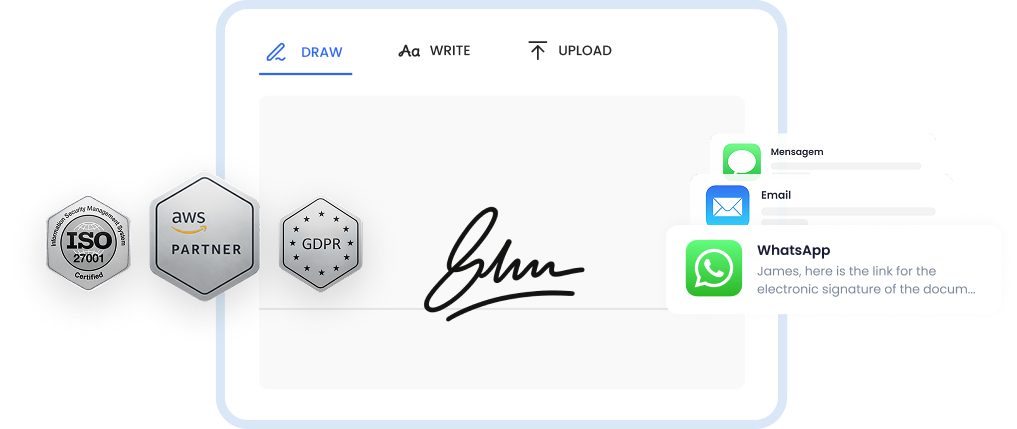
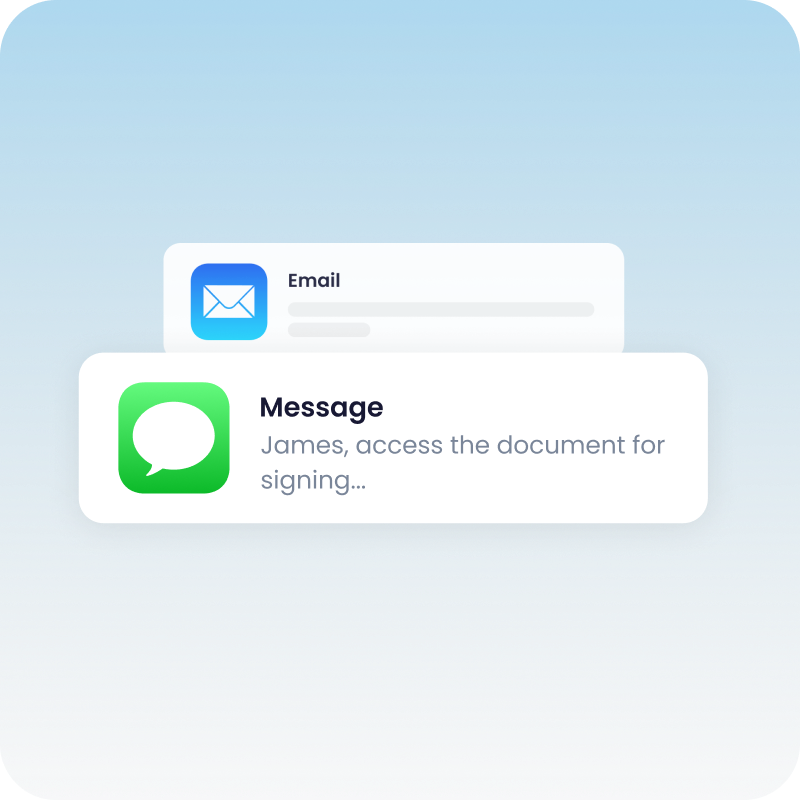
Collect signatures in under 2 minutes by message
Increase security and protect your documents
Sign with legal validity
Nicolás Prieto
Business Analyst de Home Capital"In ZapSign, we found a more mature and flexible API integration to link electronic signatures to our processes."
Sara Bustamante
Cofounder & CEO de Doclick"For us, ZapSign means ease, immediacy, and security in our signing processes... We have always been advocates of ZapSign; we see them as allies."
Personal
From $12.00 to
with 90% off
What's included:
- 20 docs/month or 240 per year
- Document status notifications
- Signer reminders
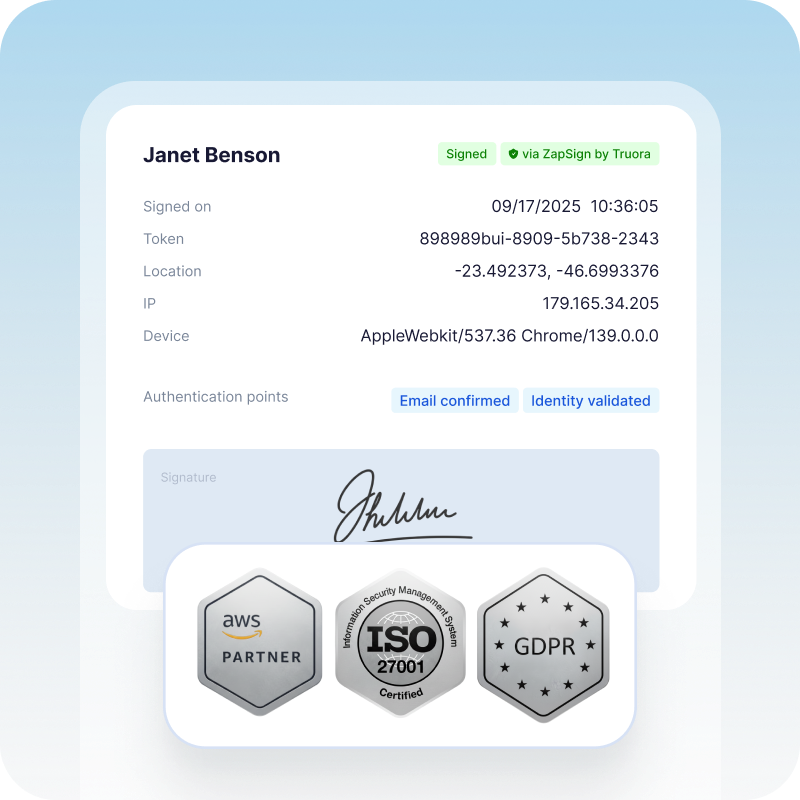
- Real-time audit trail
Professional
From $27.00 to
with 90% off
Everything in Personal, plus:
- 50 docs/month or 600 per year
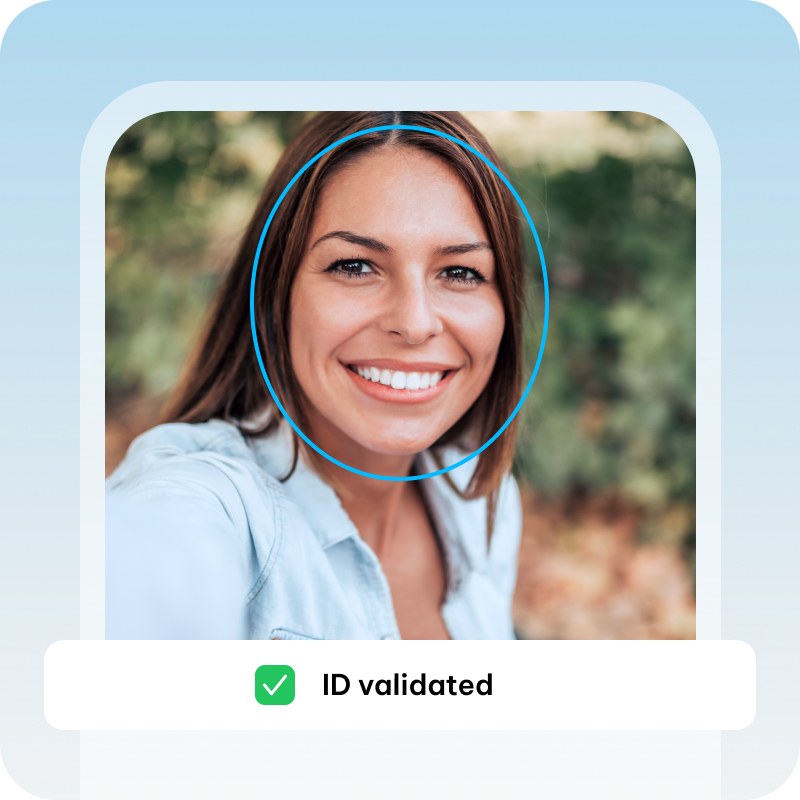
- Selfie and ID authentication
- Token delivery via email or link
- Brand customization
Business
From $39.00 to
with 90% off
Everything in Professional, plus:
- 80 docs/month or 960 per year
- Templates and forms
- Advanced authentication
- Signer event history
Still have questions?
Frequently Asked Questions
Choose the ZapSign plan that best fits your needs and get 90% off during the first 30 days. This offer is available for a limited time and is subject to the conditions described in the terms and conditions.
An electronic signature is a way to validate a person’s identity and authenticate documents digitally. It can be used in different contexts, from signing contracts and agreements to validating online transactions.
The main purpose of an electronic signature is to ensure that the person signing is really who they claim to be and that the document or transaction has not been altered after signing.
Unlike a digital signature, which is a specific type of electronic signature that uses cryptography and digital certificates, an electronic signature can include different methods and technologies to ensure the authenticity and integrity of documents and identities.
An electronic signature covers different ways of signing documents or validating a person’s identity electronically. It can use different authentication methods to confirm that the signer is really who they claim to be.
A digital signature, on the other hand, is a specific type of electronic signature that uses cryptography and digital certificates to verify the signer’s identity and ensure the integrity of the document.
The requirements and legal effects of each type of signature may vary depending on the applicable legislation.
Yes. Electronic signatures have legal validity and can be used to formalize contracts, agreements, and other documents digitally.
Their validity is supported by mechanisms that make it possible to identify the signer, record their consent, and ensure the integrity of the document, providing security and traceability throughout the signing process.
A digital signature is a specific type of electronic signature that uses cryptography and digital certificates to strengthen the authenticity and integrity of documents.
Both types of signatures have legal recognition when they meet the requirements established by applicable legislation.
A wide range of documents can be signed electronically in a secure and legally valid way. Some examples include:
- Commercial contracts: agreements between companies, sales contracts, lease agreements, and service agreements.
- Legal documents: agreements, authorizations, declarations, and other legal documents.
- Business documents: internal policies, consent forms, and formal communications.
- Financial documents: financing agreements, payment agreements, and other related documents.
- Receipts and supporting documents: payment confirmations, receipts, and electronic documents.
- Human Resources documents: employment contracts, company policies, authorizations, and evaluations.
- Proposals and offers: business proposals, estimates, and quotations.
- Confidentiality agreements: documents designed to protect sensitive and confidential information.
- Partnership agreements: partnership contracts, alliances, and memorandums of understanding.
- Healthcare-related documents: consent forms, authorizations, and other documents that allow electronic signatures.
In general, any document that requires signer identification, consent, and information integrity can be signed electronically, provided that any specific formalities required by applicable legislation are met.
Yes. Signing documents electronically is secure. Electronic signatures use multiple layers of security to help ensure document authenticity and integrity and verify the identity of signers.
ZapSign also offers more than 10 authentication methods to further strengthen the security of the signing process.
ZapSign is also ISO 27001 certified, an internationally recognized standard for information security management. This certification demonstrates that the company follows best practices to protect user data and keep signed documents secure against unauthorized access.
We offer dedicated customer support. You can contact our team by email, WhatsApp, or live chat directly through our website.
Our team is ready to help you with any questions or issues you may have.


